Established General Contractor: Bringing Dreams Into Tangible Outcomes
A trusted general contractor plays a pivotal role in converting architectural visions into physical structures. Through handling timelines and budgets, they guarantee projects proceed without issues. Their expertise fosters a collaborative environment, important for lessening risks. Nonetheless, not all contractors are equivalent. Knowing how to pick the right one is crucial for any successful project. What essential qualities should one seek, and how can they influence the overall outcome?
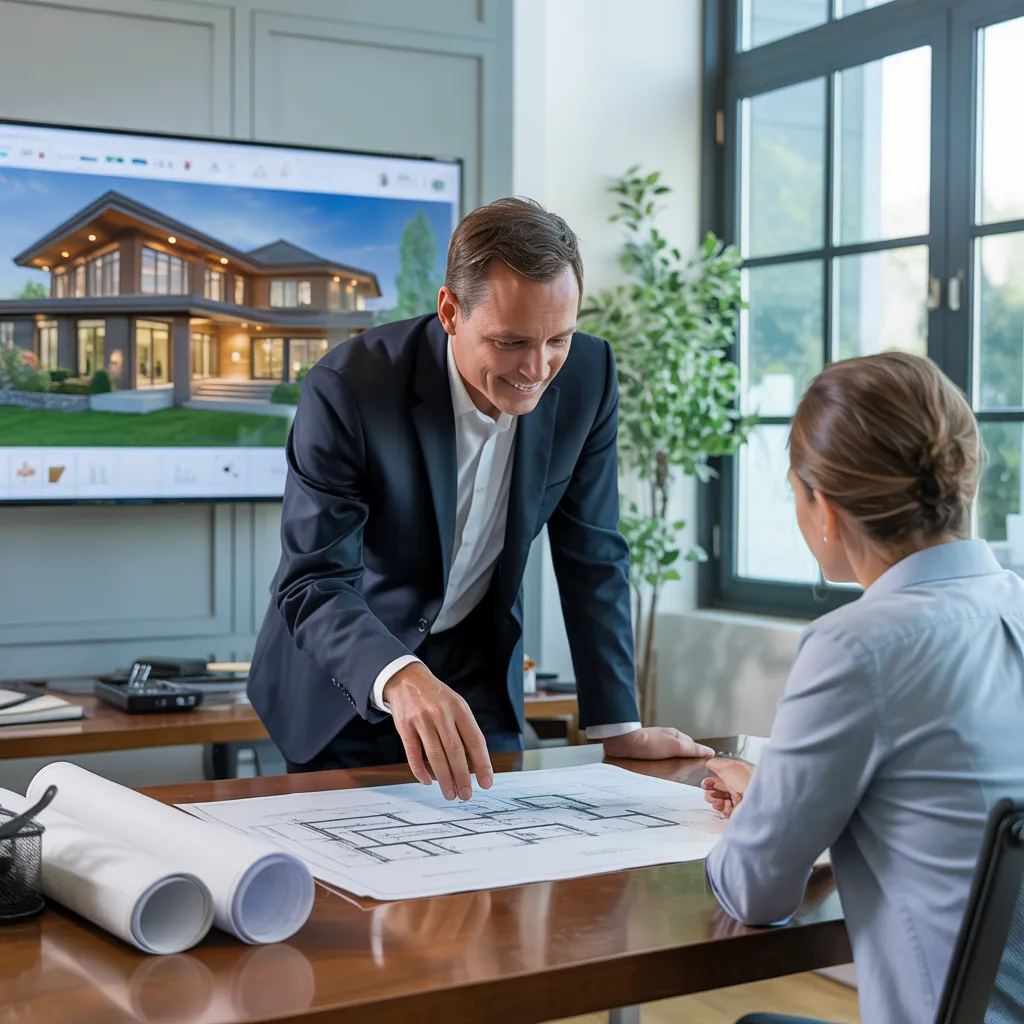
What Methods Help You Determine a Trusted General Contractor?
What approach can one apply to assess a general contractor's trustworthiness? Reviewing a contractor's track record remains vital. An practical technique involves obtaining recommendations from personal contacts and web-based feedback, which provide insights regarding past performance and patron contentment. In addition, verifying credentials and protective coverage confirms that the contractor follows professional norms and shields from possible risks. Examining completed projects, via project portfolios or location tours, helps you to determine the quality of their workmanship.
Additionally, obtaining multiple estimates allows for comparison of rates and work schedules, surfacing any variations that may signal unreliability. Proficient engagement is furthermore a critical requirement; a solid contractor should be responsive and explicit in their communications. Finally, checking references can provide valuable information about a contractor's work ethic and reliability. By following these procedures, one can make informed determinations when selecting a construction contractor for building projects.
Vital Traits of a Top-notch General Contractor
An outstanding construction professional exhibits essential qualities that confirm successful project completion. Strong communication skills facilitate clear interactions with customers, subcontractors, and suppliers, while established track record in project oversight assures on-time and cost-effective completion. These qualities are vital in bringing ideas to life.
Strong Dialogue Skills
While solid project management is crucial for a general contractor, robust communication abilities often serve as the cornerstone for successful collaborations. These competencies allow a contractor to articulate project goals clearly, guaranteeing that all team members and stakeholders are in sync. Strong communication fosters trust, allowing for transparent discussions regarding timelines, budgets, and changes. A good general contractor carefully hears out clients, subcontractors, and suppliers, addressing concerns promptly and adjusting to feedback. This two-way dialogue not only improves issue resolution but also cultivates a positive working environment. Additionally, clear communication minimizes misunderstandings, which can lead to costly delays or errors. Ultimately, robust communication abilities empower a general contractor to manage obstacles effectively, guaranteeing that projects progress smoothly from inception to completion.
Verified Project Management Proficiency
Demonstrating verified project management experience is crucial for any general contractor aiming for success. Effective project management entails careful planning, resource allocation, and timeline adherence. A seasoned contractor demonstrates an ability to coordinate diverse teams, ensuring that architects, engineers, and subcontractors collaborate seamlessly. Furthermore, they adeptly navigate challenges, employing problem-solving skills to keep projects on track and within budget. Their experience allows them to predict potential issues, mitigating risks before they escalate. Additionally, strong project management fosters transparency, enabling clients to stay informed throughout the construction process. By prioritizing quality control and adhering to safety standards, a general contractor with proven experience not only delivers exceptional results but also builds lasting relationships based on trust and reliability.
The Advantages of Engaging a Trustworthy General Contractor
Retaining a reliable construction specialist affords significant benefits in any construction project. Their expertise and experience guarantee that jobs are completed to high standards, while also maximizing time and cost efficiency. This combination allows residents and corporations to focus on their purpose without the tension of project management.
Knowledge And Experience
Bringing on a dependable general contractor offers a extensive amount of expertise and practical experience to any construction assignment. Their broad familiarity with building codes, regulations, and industry standards assures that every aspect of the construction workflow is compliant and streamlined. Expert contractors have honed their skills through varied projects, allowing them to predict potential problems and formulate effective solutions. Their well-established partnerships with subcontractors and suppliers moreover enhance the quality of both work and materials. Furthermore, a dependable general contractor exhibits strong project management skills, handling timelines, budgets, and resources effectively. This expertise not only lowers risks but also promotes a collaborative atmosphere, turning a client’s vision into a tangible reality while preserving high standards throughout the entire construction journey.
Duration and Cost Productivity
A dependable general contractor significantly improves efficiency in time and cost during construction projects. By managing different subcontractors and suppliers, they simplify workflows, cut down delays, and ensure tasks are done promptly. Because of solid industry relationships, they often secure better pricing on materials and labor, cutting down total project costs. Furthermore, an competent contractor anticipates potential issues early, providing timely fixes that prevent costly hold-ups. Their expertise in project management enables effective resource allocation, ensuring that labor and materials are used efficiently. Ultimately, engaging a trustworthy general contractor accelerates project timelines and safeguards the budget, offering clients confidence and peace of mind in their investment.
Effective project management often depends on the competence of a general contractor. By serving as the central figure in the construction process, a general contractor coordinates various elements of the project, ensuring seamless correspondence among subcontractors, suppliers, and clients. This integrated approach minimizes delays and reduces the possibility of miscommunication, which can result in costly errors.
A general contractor enhances the framework by establishing explicit timelines and schedules, allowing all parties to stay aligned with project milestones. They also retain the knowledge to anticipate hurdles, promoting initiative-based problem-solving. Additionally, they manage permits and inspections, relieving the burden on clients and maintaining compliance with local standards.
In the end, the involvement of a talented general contractor converts complex projects into workable duties, letting homeowners and developers to concentrate on their vision while savoring peace of mind throughout the construction process. This teamwork cultivates a more productive and successful project outcome.
Top 5 Issues to Evade When Appointing a Contractor
How can homeowners ensure they pick the right contractor for their project? Avoiding common pitfalls is essential. First, homeowners should avoid choosing a contractor solely based on the lowest bid. Quality often comes at a price, and a low estimate may suggest inadequate experience or hidden costs. Second, failing to check references can lead to selecting someone questionable or unreliable. Third, neglecting to check licenses and insurance can expose homeowners to legal and financial liabilities. Fourth, not planning project timelines in detail may result in unexpected delays and frustrations. Ultimately, homeowners often overlook the importance of clear communication. A contractor who doesn't listen to concerns or provide updates can generate misunderstandings. By steering clear of these mistakes, homeowners can enhance their chances of selecting a contractor who will effectively bring their vision to life.
Critical Questions to Ask Before Committing To a Document?
What fundamental topics should property buyers contemplate before signing a document with a tradesperson? Before anything else, they should investigate the contractor's licensing and coverage status. Solid credentials protect homeowners from unforeseen liabilities. Next in line, seeking references and looking over past projects can deliver insight into the tradesperson's track record and quality of work. Homeowners should also address timelines—understanding the projected start and completion dates is indispensable for planning.
Moreover, clarifying payment conditions is vital; homeowners must know the deposit amount and the schedule for subsequent payments. Also, homeowners should question what will result if unexpected issues arise during the assignment, including order adjustments and how they will be dealt with. Finally, learning warranty terms on both workmanship and materials can provide peace of mind. By considering these points, homeowners can select thoughtfully and construct a sturdy foundation for their project.
Developing a Permanent Rapport With Your General Contractor
Building a strong rapport with a general contractor can greatly enhance the overall experience of a home building or remodeling project. Effective communication is the cornerstone of this partnership, fostering trust and transparency. Homeowners should prioritize transparent communication, discussing expectations, schedules, and financial limitations early in the project.
Frequent communications and feedback can help manage issues promptly, confirming that both parties remain aligned throughout the project. Additionally, showing recognition for the contractor's expertise can develop mutual respect and promote a collaborative atmosphere.
Flexibility is also vital; understanding that obstacles may occur can facilitate problem-solving and adjustment. A good relationship can result in better work, as contractors are more inclined to invest extra time when they sense appreciation. In the end, a lasting partnership with a general contractor not only supports a successful project but can also generate opportunities for upcoming projects.
Frequently Asked Inquiries
How Do General Contractors Deal With Unexpected Project Changes?
General contractors manage unforeseen modifications by evaluating the situation, informing relevant parties, modifying schedules and financial allocations, full article and deploying corrective measures. Flexibility and problem-solving skills are essential in keeping projects progressing smoothly despite unforeseen challenges.
What Ranges of Ventures Do General Contractors Typically Administer?
General contractors typically conduct a multitude of endeavors, including domestic remodeling, commercial construction, infrastructure creation, and specialized installations. Their command includes coordination, budget management, and scheduling, confirming successful completion within diverse construction methodologies and complexities.
In What Way Can Payment Plans Function With a General Contractor?
Payment structures with a general contractor typically entail down payments, accompanied by incremental payments dependent on project milestones. Final payments occur upon project completion, assuring both parties stay coordinated on pecuniary duties throughout the construction process.
Can a main contractor Lend assistance With Permits and standards?
A construction manager can indeed support in managing regulatory approvals and licensing. They generally navigate local building codes, submit required paperwork, and maintain regulatory adherence, reducing complexity for property owners and helping to avoid potential legal complications.
What unfolds if the Project exceeds the Initial cost estimate?
If a project exceeds the preset budget, the firm commonly communicates the reasons for the increase. They may offer adjustments, gain client approval, and explore cost-saving choices to sustain the project on track.